The 4.6 Billion Litre Solution Hiding in Our Back Gardens
We all remember the extreme heat of recent summers—the baked lawns, the drought warnings, the hosepipe bans, and, curiously, the spike in sewage overflows.
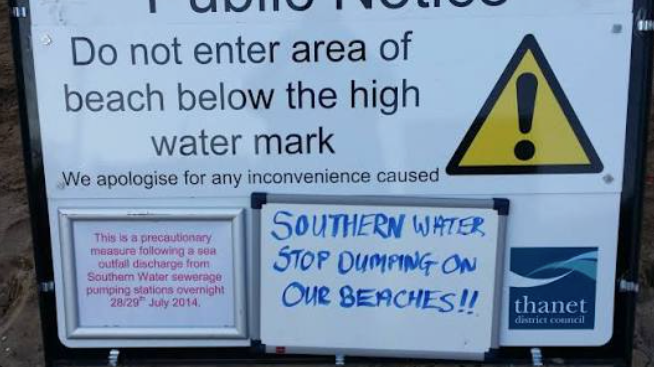
In the colder months, we see torrential winter storms saturate the ground and overwhelm our rivers. Then, just months later, record-breaking dry spells bake the earth to a crisp. But perhaps the most infuriating dichotomy our changing climate throws up is seeing “do not swim” warnings on our beaches during peak heatwaves due to raw sewage in the water.
There’s no denying climate change is at the centre of all this. At SuSy, our core focus is turning homes into part of the climate solution through energy efficiency and decarbonisation. But when it comes to dealing with the immediate, visible symptoms of a changing climate, our homes have another crucial role to play—and the answer is surprisingly low-tech.
The “Baked Earth” Trigger: Why Dry Heat Causes Sewage Spills
Before we get to the solution, we need to understand why dry weather leads to polluted rivers.
The UK relies heavily on a combined sewer network, meaning rainwater runoff and household wastewater share the exact same underground pipes. When heavy rainfall overwhelms the system, emergency relief valves—known as Combined Sewer Overflows (CSOs)—release excess water directly into our rivers and seas to prevent sewage from backing up into our homes.
During a prolonged heatwave, the ground becomes hard, compacted, and hydrophobic. When a sudden thunderstorm breaks the dry spell, the earth cannot absorb the water. Instead of soaking into the soil, a massive volume of stormwater instantly rushes into street drains and sewer pipes.
It’s not just the volume of rain that causes the sewage spill—it’s the velocity.
This sudden surge of runoff instantly overwhelms local water treatment works, triggering an overflow precisely when our rivers are at their lowest levels and our beaches are at their busiest.
The Distributed Defense: 23 Million Back Gardens
The traditional answer to this infrastructure crisis is pouring billions of pounds into massive concrete super-sewers. While major infrastructure works are necessary, they take years or decades to build.
What if we transformed the UK’s 23 million gardens into a distributed flood-defense and water-storage network instead?
The average UK roof sheds between 50,000 and 85,000 litres of rainwater every year. While standard garden water butts fill up quickly and offer limited storm protection, slow-release water butts change the equation entirely:
- Massive Scale: If every UK household installed a slow-release water butt, we would instantly create 4.6 billion litres of stormwater attenuation capacity across the country.
- Controlled Drainage: Unlike standard barrels that fill once and overflow during the next storm, slow-release butts feature a regulated release valve.
- Surge Reduction: During heavy rain, they capture the intense peak runoff off your roof—effectively “chopping off the peak” of the flow that triggers CSOs.
- Self-Resetting Capacity: Over the next 24 to 48 hours, they slowly drain that excess water into the garden or local drain at a safe rate, resetting themselves to absorb the next storm while retaining a usable water reserve for household use.
Real-World Proof: The Isle of Wight Trial
This isn’t just a nice theoretical concept. A trial rollout of slow-release water butts on the Isle of Wight delivered a staggering 70% reduction in storm overflow releases into local waters.
Scaling this simple home intervention nationally has the potential to fundamentally transform our water infrastructure:
- Winter Flood Defense & CSO Mitigation: By drastically slowing down surface runoff velocity, we keep massive water surges out of sewer pipes and raw sewage out of our waterways.
- Summer Drought Resilience: Captured, non-potable rainwater can be used to keep gardens, trees, and local ecosystems alive during droughts—relieving direct pressure on treated drinking water reservoirs.
A Shift in Perspective
We are used to thinking of infrastructure as something built by heavy machinery, managed exclusively by utility companies, and buried under asphalt.
However, just as home energy efficiency and retrofitting are transforming energy grids from the ground up, our water conservation defenses can start right at home. By catching rain where it falls, we can turn millions of individual rooftops into the natural buffer our water systems desperately need.